
Architectural Design Trends of 2026: A Forward-Looking Design Forecast for Modern Homes
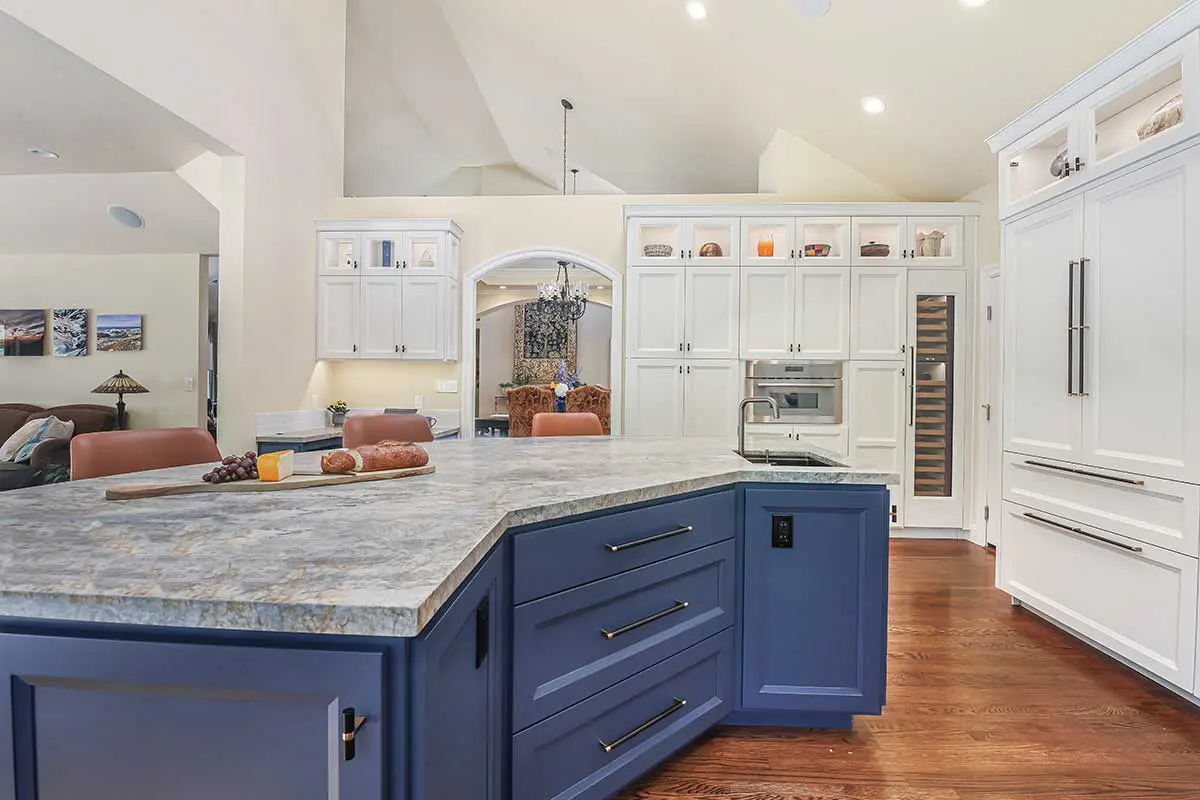
Architectural trends in 2026 are shifting toward comfort, movement, and biophilic connection. Biophilic architecture and sustainable living continue to evolve toward timeless designs, while colors shift from stark neutrals to warmer tones. Smart technology continues to integrate into home design for better homeowner comfort and energy efficiency.
At Gayler Design Build, we aim to empower homeowners in California. As architectural design trends evolve, read on to discover features that can optimize your living space.
Request a Remodel Design Consultation
Color Layering
In 2026, color is no longer an afterthought. It’s a defining architectural design element. Intentional, layered palettes influence mood, comfort, and how homeowners experience a space daily.
Monochromatic rooms are re-emerging in modern architecture. But rather than flat, one-dimensional spaces, designers use nuanced variations of a single hue to create depth, warmth, and visual interest.
When added with contrasting materials, such as tiles, natural wood, or stone, the room achieves visual interest without overwhelming the space.
Saturated Woodwork
Saturated finishes on window frames, crowns, door architraves, and trim turn functional elements into defining architectural features. It subtly guides the eye, reinforcing structure and rhythm. When paired with lighter walls or complementary tones, the architectural details stand out without disrupting the space’s overall harmony. It preserves clean lines while introducing warmth and personality, balancing classic craftsmanship.
Warm, Creamy Colors Are the New Neutrals
Creamy ivories, soft taupes, and caramel-inspired hues are replacing cool greys and crisp whites across modern homes. These friendly beige tones add richness and warmth while remaining versatile neutrals in residential architecture.
Homeowners are also embracing these warmer palettes because they feel more inviting and livable. These warm, creamy, and caramel tones are ideal for a softer, more human-centered, comfort-driven design. While they provide calm and continuity in gathering spaces, they are also suitable as a lasting backdrop in whole-house remodeling and long-term planning.
Architectural Stone Slabs
In the architectural design trends of 2026, stone is no longer just a statement. It’s an aesthetic function. Boldly veined stone slabs are intentionally used on vent hoods and to create backsplashes that extend into full-height countertops.
Architectural stone details introduce a sculptural quality that highlights craftsmanship without overwhelming the space. While visually striking, these sustainable stone applications are rooted in restraint. Their impact feels intentional and enduring, which aligns with residential architecture trends that favor longevity over short-lived design moments.
Courtyard Addition
Courtyard additions are defined by surrounding walls, creating privacy and a sense of retreat. They seamlessly connect indoor living with the outdoors by opening the home to a thoughtfully enclosed exterior space. This allows homeowners to create a natural extension of their living environment, intentionally separated from the surrounding suburban landscape.
Courtyards often serve as central gathering spaces rooted in nature. They serve as a garden or a quiet retreat, aligning with residential architecture trends that focus on wellness, sustainability, and improved everyday living.
By incorporating a pergola-style structure on a raised deck, the courtyard’s usability as a gathering space is enhanced while maintaining openness.
Sculptural Architecture
Sculptural architecture is re-emerging as a defining trend in 2026. Graceful curves and irregular contours naturally guide movement and create a more intuitive flow in space.
Curved architectural forms, such as flowing wooden furniture, rounded archways, and fluid false ceilings, bring softness and rhythm in structured spaces. They break up rigid lines commonly found in traditional building infrastructures and make them feel alive and expressive. By echoing natural forms, sculptural architecture delivers warmth without sacrificing sophistication.
Harnessing the Power of Passive Design
Passive design offers an elegant approach to sustainability. By working with natural forces instead of against them, homes achieve comfort through thoughtful design rather than energy-intensive systems. Some examples include:
- Understanding sun paths, proper building orientation, and strategic window placement helps modern homes stay cooler in summer and warmer in winter.
- Optimizing daylight and cross-ventilation reduces reliance on artificial lighting and mechanical cooling.
- Materials also play a role in passive design. For instance, concrete stores and releases heat. When paired with shading devices such as overhangs and screens, these passive strategies help regulate indoor temperature naturally.
As part of the design forecast for the future of residential architecture, passive design delivers efficiency, comfort, and sustainability, without compromising beauty or craftsmanship.
Smart Technology in Architectural Design
Smart technology continues to shape architectural design trends of 2026. Wi-Fi-enabled home-focused systems adapt to how homeowners live. They create environments that feel intuitive and responsive through their learning-based, app-controlled programs.
Smart tech can be energy-efficient through intelligent control. By optimizing heating and cooling and automatically shutting down unused systems, smart technology reduces wasted energy.
They can also achieve personalized comfort. Zoned heating and cooling allow different areas of the home to maintain individualized comfort levels.
Consult with Our Architect Designer for More Architectural Design Trends
2026 architectural design trends focus on structures and materials that age gracefully and remain relevant over the years. Comfort, movement, and biophilic connection continue to evolve to enhance the function and aesthetics of space.
For more trends to help optimize your home remodel, schedule a consultation with our architect designer. Our team looks forward to exploring ideas with you to transform your space and better match your evolving lifestyle and needs.