
Top Kitchen Material Trends for 2026:
Modern Design Inspiration for California Homes
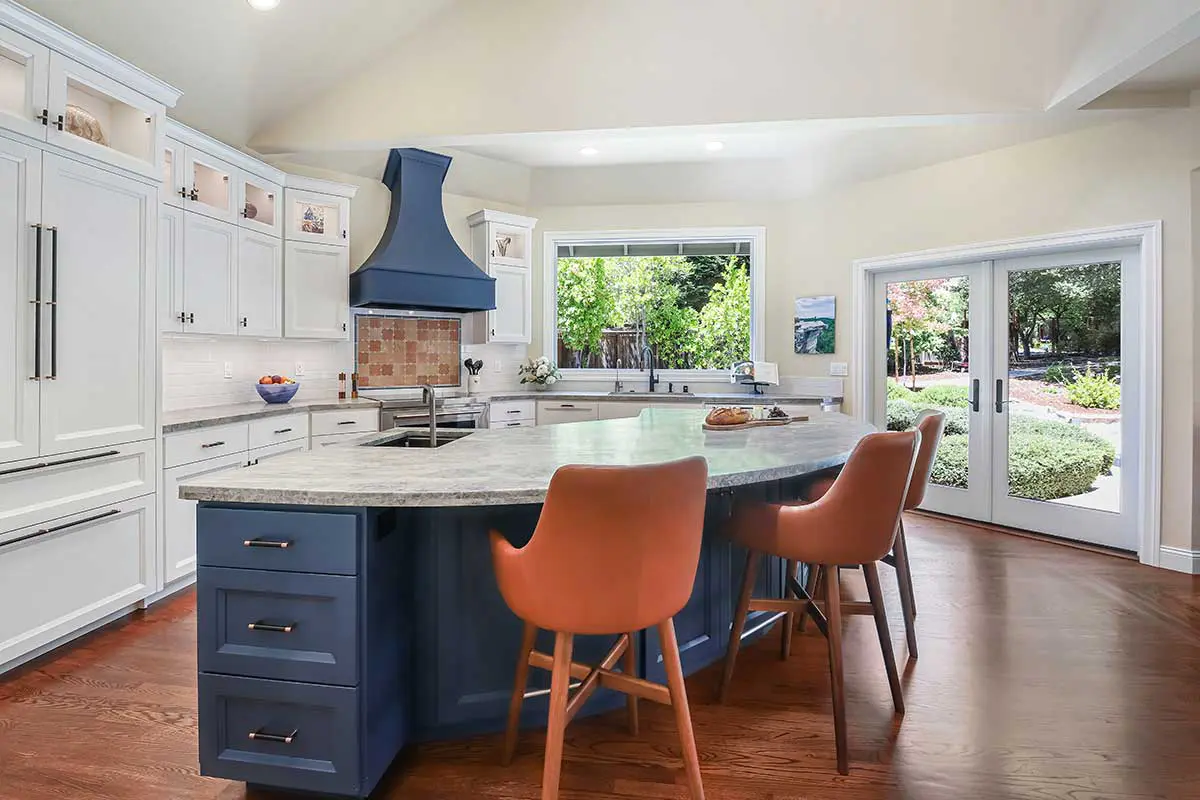
As kitchen design continues to evolve, 2026 is all about you—your style, your routines, and the way you live. Current trends focus on sustainability, functionality, and personalization, creating kitchens that work as beautifully as they look. Homeowners today want spaces that express their personal taste while supporting their lifestyle—whether that means everyday living or hosting large gatherings.
From countertops to backsplashes, this year’s kitchen trends highlight a return to natural materials, warm textures, and thoughtful craftsmanship. They show that the kitchen isn’t just for cooking anymore—it’s where life happens, blending beauty, function, and meaningful connection.
Book a Consultation for your Kitchen Remodel Today
Kitchen Countertop Trends
Kitchen countertop trends for 2026 are leaning toward materials that balance natural beauty, durability, and easy maintenance. With elegance and practicality shaping today’s smart kitchen designs, the following countertop materials remain popular for their timeless appeal.
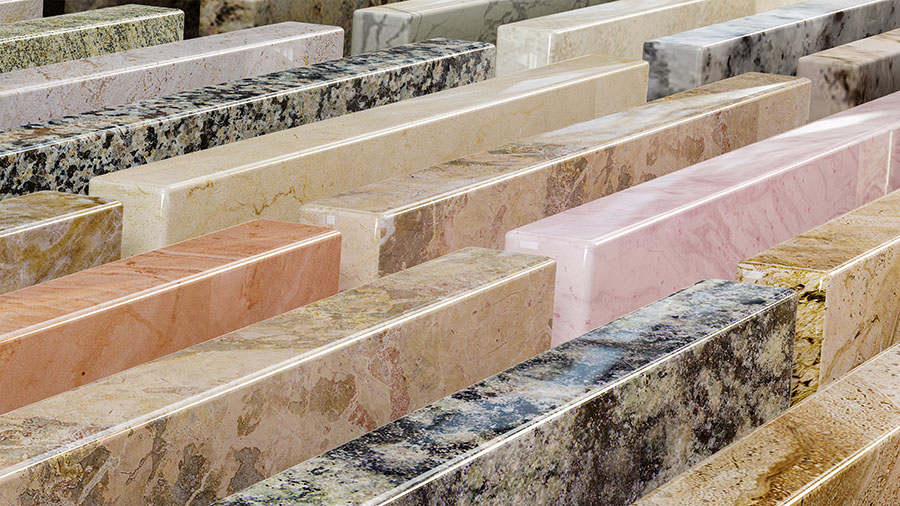
Quartz continues to lead the way thanks to its refined look, wide range of colors, and low maintenance. It beautifully mimics natural stone without requiring regular sealing or upkeep.
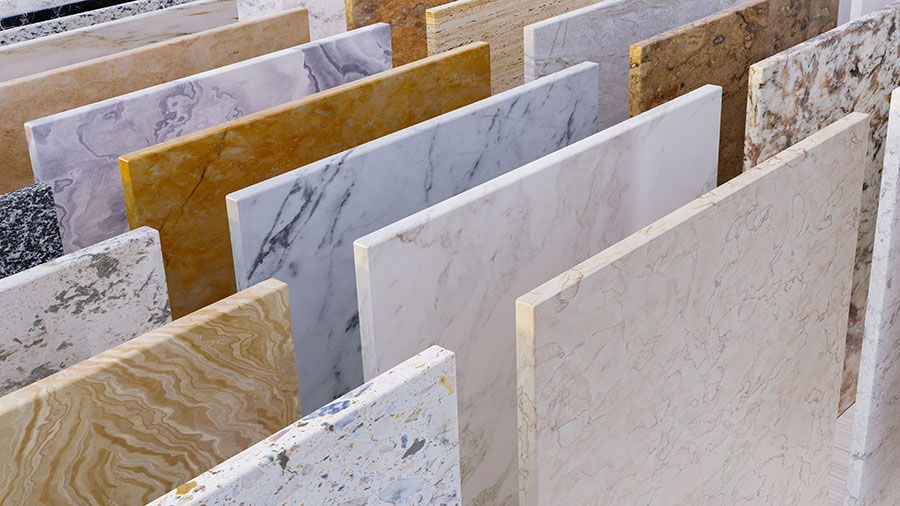
Quartzite is also gaining attention for its authentic veining and natural durability. Unlike engineered quartz, quartzite offers a truly organic texture that appeals to homeowners who love an authentic, natural aesthetic. It also holds up better to heat than quartz.
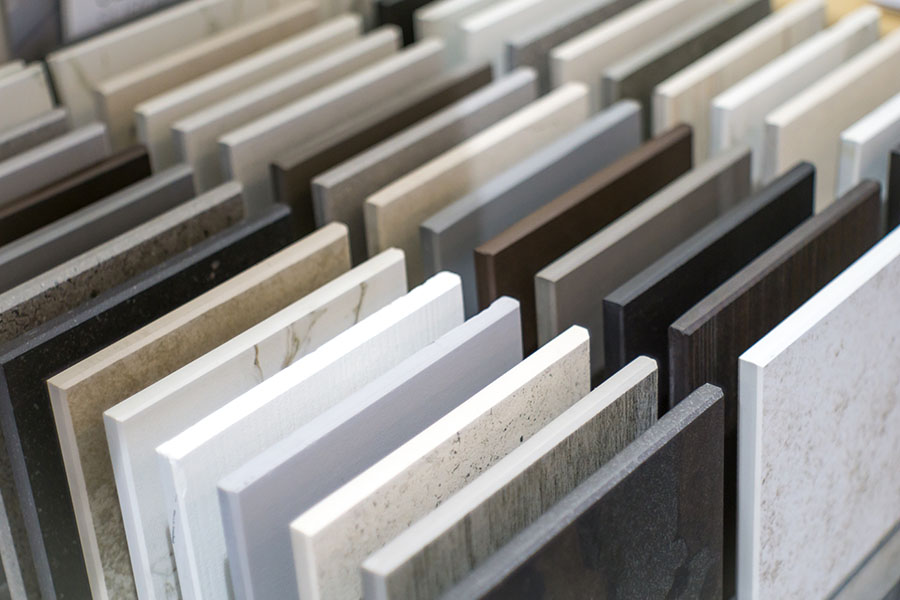
Granite and marble are becoming less common due to their higher maintenance needs. While both exude classic elegance, they’re best suited for homeowners who don’t mind the extra care.
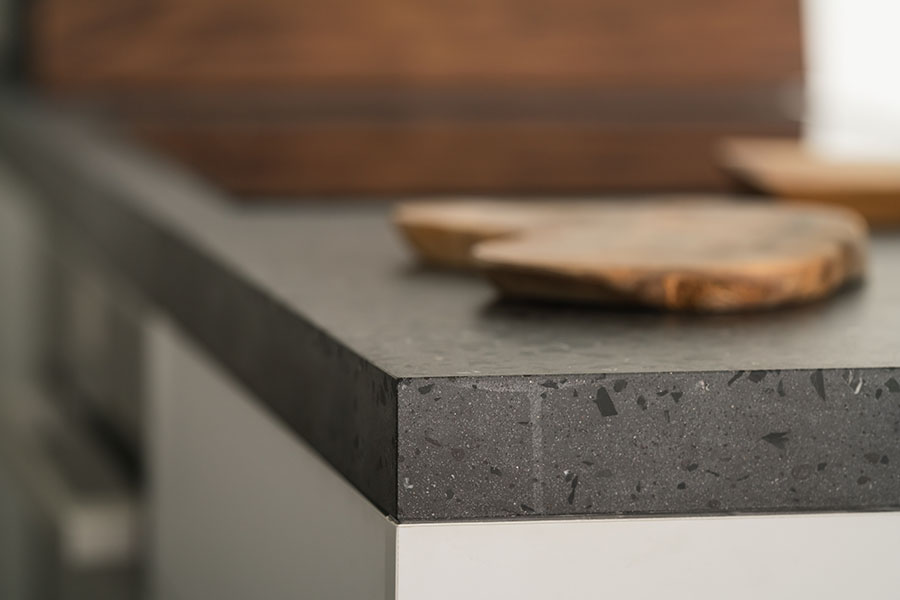
Other natural and sustainable countertop materials, including concrete, resin, lava stone, and soapstone, are also on the rise. Concrete and resin allow for custom, artistic designs, while lava stone and soapstone bring rich natural tones and tactile finishes that add depth and character to the kitchen. Each comes with its own pros and cons, which we outlined below.
Material
Pros
Cons
Quartz
• Non-porous and stain-resistant — no sealing required
• Wide variety of colors/designs; uniform appearance
• Very durable and low-maintenance
• Resists bacteria, mold, and mildew
• Less heat-resistant (resin component can be damaged by hot pans)
• Edges or chips are harder to repair
• Lacks the natural variation and depth of stone
• Can fade or discolor under direct UV exposure over time
Quartzite
• Natural stone with beautiful veining and patterning
• Very hard and durable; more heat/scratch-resistant than quartz
• Better UV resistance (less likely to fade)
• Porous, needs periodic sealing
• More expensive and harder to source
• Edges or complex cuts can increase fabrication cost
• More variation slab to slab (which can complicate matching)
Granite
• Durable, scratch- and heat-resistant when sealed properly (Better Homes & Gardens)
• Uniqueness: each slab is distinct
• Requires sealing to protect against stains
• Can chip or crack under heavy impact
• Slab variability and seam visibility
• Heavier, requiring reinforced support and professional installation
Marble
• Elegant, timeless aesthetic and natural veining
• Cool surface, suitable for baking and pastry prep
• Adds prestige and high-end appeal
• Soft and porous, vulnerable to stains, etching, and scratches
• Needs frequent sealing
• High maintenance compared to other stones
• Acidic spills (vinegar, citrus, wine) are risky
Concrete
• Highly customizable (shape, color, inlays, texture)
• Strong, durable surface
• Can integrate sinks, edges, or embedded decorative elements
• Works well with modern and industrial kitchen design
• Porous and prone to staining without sealing
• Hairline cracks or shrinkage over time
• Heavy and needs strong structural support
• Requires expert installation
• May need resealing or repair over the years
Resin
• Can mimic stone or create artistic, custom effects
• Seamless surfaces possible
• Moderate to good resistance to stain and impact (depending on formulation)
• Less heat resistance, can scorch or discolor under hot pots
• May scratch or mark more easily than hard stone
• Long-term durability depends on the quality of the resin
• Not as widely used with limited provider and repair options
Lava Stone
• Strong, naturally heat-resistant stone
• When glazed or sealed, it becomes non-porous and stain-resistant
• Unique, dramatic textures and finishes
• Suitable for indoor and outdoor use (with proper treatment)
• Very high cost
• Limited availability and long lead times
• Not easy to alter or refinish once installed
• Some surfaces show fine natural crazing (intrinsic to material)
Soapstone
• Naturally low-porosity (resists stains and moisture)
• Good heat resistance (hot pans are more forgiving)
• Warm, matte look that develops a rich patina over time
• Scratches can often be sanded out
• Softer stone, leads to scratches and dents more easily
• Limited color variety (grays, muted tones)
• Requires occasional oiling or maintenance to even tone
• Edges are more vulnerable to chipping

Kitchen Cabinetry Trends
After experimenting with bold choices in 2025, homeowners are now embracing cabinetry trends that feel more timeless and personal. The focus for 2026 is on functionality, texture, and color, creating kitchens that are as inviting as they are enduring.
Timeless Cabinet Colors
With biophilic design becoming a classic option, homeowners are gravitating towards nature’s colors, including warm neutrals of wood and stone. While high-gloss cabinetry can look sleek, its shine often feels dated over time. Instead, designers are favoring matte or satin finishes for a softer and more modern look.
Light Wood Finishes
Red, orange, and dark stains on kitchen cabinetry can make a space look outdated and dim. However, light stains for wood finishes remain a perennial favorite for California homes for a bright, airy feel that pairs beautifully with natural light.
Bold and Balanced Design Choices
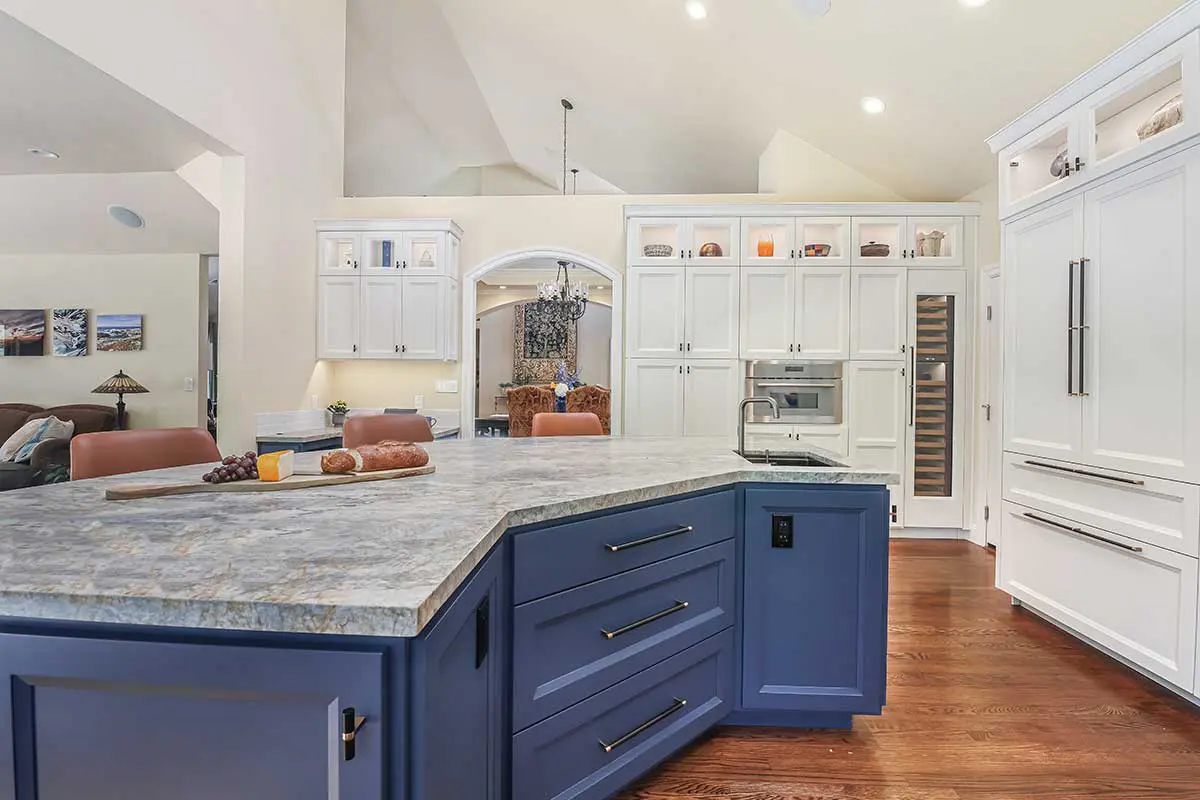
For homeowners who love color beyond warm neutrals, rich and natural cool tones like forest green and navy blue add depth and sophistication. By pairing dark cabinet colors with lighter countertops, backsplashes, and flooring, the kitchen space retains its openness.
Two-toned Kitchen Cabinets
Another way to balance bold colors with neutral tones is by combining upper cabinets in neutral hues with base cabinets in deeper and grounding shades.
Hardware and Finishing Details
The subtle spark of metallic hardware is redefining cabinetry design. Finishes like aged brass, brushed, gold, and matte black are in demand as they add to the elegance and contrast to cabinet colors.
Smart Storage and Hidden Functionality
Smart storage solutions are revolutionizing kitchen organization from pull-out shelving to soft-close drawers. Hidden appliance garages, charging stations, and coffee nooks also help maintain clutter-free countertops while supporting a seamless workflow.
Lighting That Elevates Design
Layered lighting, which combines task, accent, and ambient illumination, is one of the most impactful kitchen design trends continuing to 2026. Under-cabinet lighting enhances visibility on work surfaces and eliminates shadows, while toe-kick lighting adds ambiance and safety.
Open Shelving vs. Glass-Front Cabinets
Open shelving can create more space in the kitchen and provide easy access. But many homeowners find it hard to maintain. This trend then evolves into glass-front cabinets, which can offer the same airy feel while protecting the contents from dust and grease.
Kitchen Flooring Trends
Kitchen flooring trends for 2026 blend durability with high design. Homeowners looking to make a lasting design statement are choosing materials that not only look elegant but also stand up to everyday life, from spills to heavy foot traffic.
The right kitchen flooring strikes the perfect balance between comfort, resilience, and timeless style. Among the top choices for 2026 are porcelain tile, natural stone, and polished concrete. Each is prized for its durability, low maintenance, and bold design appeal.
More homeowners are also embracing eco-friendly flooring options, prioritizing materials that are both sustainable and stylish. Bamboo and engineered hardwood lead the way, offering the warmth of natural materials with the strength needed for busy kitchen spaces.
Underfoot comfort remains a top priority, too. The latest kitchen flooring ideas showcase matte finishes, organic textures, and slip-resistant surfaces. These features ensure every kitchen feels as functional as it is beautiful.
Flooring Material
Pros
Cons
Tiles
(Patterned, Wood-Look, Terra-Cotta Mosaic)
• Extremely durable and stain-resistant
• Water- and moisture-proof
• Available in endless designs and colors
• Easy to clean and maintain
• Cold and hard underfoot
• Slippery when wet
• Grout lines require cleaning
• Heavy and labor-intensive to install
Classic Hardwood
• Warm, timeless, and elegant aesthetic
• Can be refinished multiple times
• Adds value to the home
• Softer underfoot than tile or stone
• Sensitive to moisture and spills
• Prone to scratches and dents
• Requires routine maintenance
• More costly than some options
Terrazzo
• Highly durable and long-lasting
• Customizable color and aggregate patterns
• Seamless, modern look
• Easy to clean and polish
• High installation cost
• Requires professional expertise
• Can crack if substrate shifts
• Needs periodic resealing
Natural Stones
(Slate, Marble, Travertine, Limestone)
• Luxurious, natural texture and variation
• Excellent longevity
• Cool underfoot and radiant-heat compatible
• Ideal for blending indoor-outdoor spaces
• Porous, requires sealing
• Can be slippery or cold
• Heavy to install
• Regular maintenance needed
Concrete
• Durable and low-maintenance
• Works with radiant heating
• Customizable finish (stained, polished, matte)
• Reflects light, enhancing spaciousness
• Hard underfoot
• Prone to hairline cracks
• Can feel cold without heating
• Requires sealing for stain resistance
Kitchen Backsplash Trends
Kitchen backsplash trends for 2026 are leaning toward subtle sophistication and seamless integration. Homeowners are moving away from bold, busy tile patterns and embracing cleaner, more timeless surfaces that complement, rather than compete with, the rest of the kitchen design.
While highly patterned or brightly colored backsplashes once stole the spotlight, today’s kitchen trends favor restraint and refinement. Simple, natural materials such as marble, quartz, and stone slabs create a cohesive look that is easy to maintain and ties beautifully to the countertops. The result is a calm, organic texture that reflects the leading themes of 2026 kitchen design.
Consult with Gayler Design Build to Explore2026 Kitchen Trends
The kitchen trends of 2026 build on what we’ve learned from 2025, reflecting a continued shift toward sustainable materials, functional layouts, and personalized design. As our lifestyles evolve, so do expectations. Today’s homeowners want kitchens that make daily living easier, more efficient, and uniquely their own.
At Gayler Design Build, we bring these emerging kitchen design trends to life through thoughtfully designed spaces that balance style, innovation, and comfort.
Let’s explore what’s possible for your home!