
The holidays are when many homeowners realize their current kitchen is not fit for purpose. When you’re hosting gatherings and preparing complex meals, the kitchen either enhances the experience or detracts from it. What seemed to work fine and look decent enough during the year suddenly feels restrictive and dated during the festivities. In this article, our team of design-build remodeling experts explores some of the signs that it’s time for an urgent kitchen remodel after the holidays.
Pain Point #1 — “Why Did Everyone End Up in One Corner?”
Kitchen congestion is a common holiday hosting problem in under-optimized spaces. The cook is stuck between the range and the sink while guests gather near the peninsula because there’s nowhere else to stand. People begin setting down serving trays and other bits and pieces, and soon the prep space disappears.
The kitchen quickly turns into a place of stress rather than social harmony. In many older homes, the traditional layout was one in which the kitchen was separated from other rooms, including the dining room. But modern lifestyles have different requirements and expectations.
Kitchen redesigns today focus on reworking the footprint to match how we like to cook, entertain, and dine together. Open layouts, island-centered designs, and defined circulation paths allow family members and guests to move easily and naturally without blocking key prep areas or feeling overcrowded.
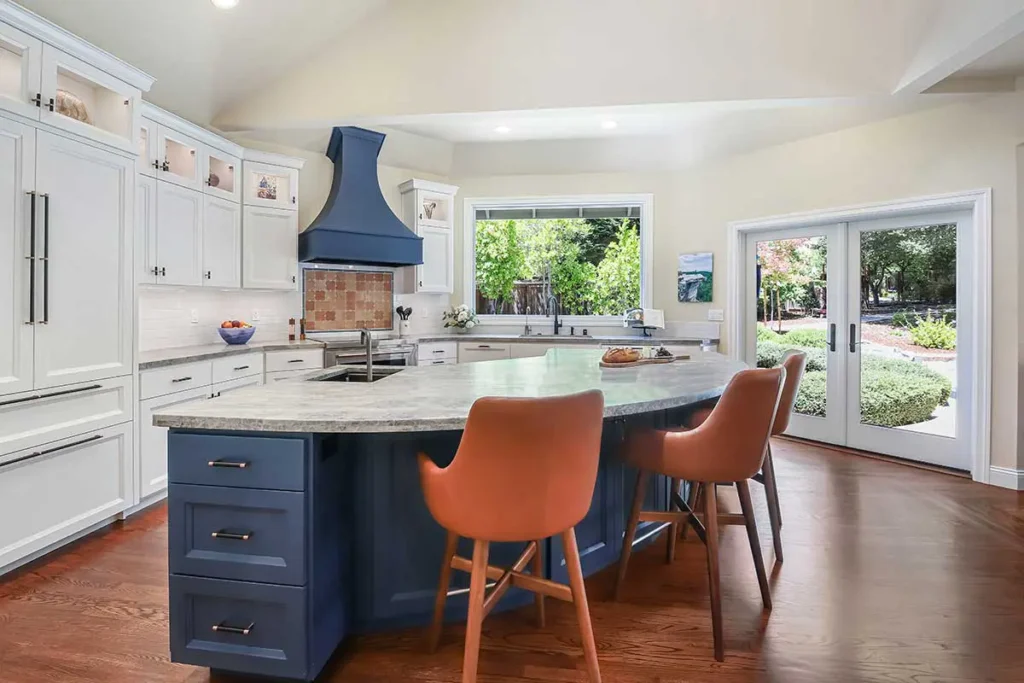
In this San Ramon home remodeling project, we designed and built a 105-square-foot-addition off the side of the home. This extended directly from the existing kitchen area and added significantly more space and light to the final layout.
“Every year after the holidays, we hear the same thing from homeowners: ‘I love my home—but the kitchen just couldn’t keep up.’ The holidays don’t create problems; they reveal them. When your kitchen is under pressure, it becomes very clear what’s working and what’s holding you back,” says Chris Gayler, President and General Manager.
Pain Point #2 — “Not Enough Counter Space”
Holiday food prep often goes awry when there’s simply not enough counter space. Platters compete with mixing bowls while dishes quickly take over the only clear surface. Guests set drinks down wherever they can find room, and everything quickly looks messy. Serving then becomes chaotic and frustrating.
The desire for more countertop space is a high priority for many homeowners, especially after a holiday. Older kitchens weren’t designed for large gatherings or multiple cooks.
At Gayler Design Build, when designing a kitchen remodel for entertaining, we look at ways to enhance how you cook, prep, and host for the events that matter most to you and your family. These design considerations can mean expanding perimeter runs, increasing island size, and adding secondary prep areas, among other things.
Sometimes it means rethinking appliance placement to free up landing zones. Counter space is such an incredibly important part of a functional and beautiful kitchen. Designing surfaces that support everything from quiet family dinners to full holiday celebrations with multiple guests needs to be factored into every kitchen transformation.
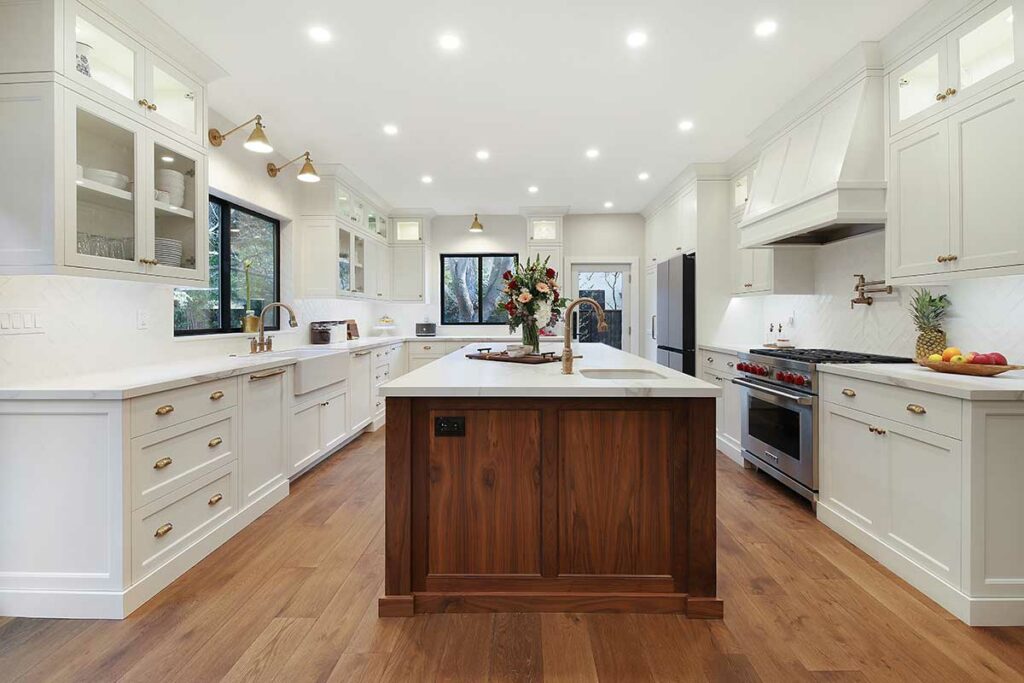
Extra surface space that looked exquisite was a must-have for a passionate food blogger whose kitchen we redesigned in San Ramon. In fact, we relocated the kitchen entirely and created a spacious culinary haven, featuring warm white perimeter cabinets and luxury porcelain slab countertops.
“From a construction standpoint, the biggest frustrations we see—lack of counter space, appliance congestion, storage shortages—are all solvable when they’re addressed early in the design process. When design and production work together, we can plan for real-life use, not just how the kitchen looks on paper,” says Genaro Alvarado Jr., Production Manager.
Pain Point #3 — “The Kitchen Was the Bottleneck”
Another common problem homeowners discover during holiday seasons is kitchen bottlenecks – or a lack of flow. Whether narrow walkways, single prep zones, or poorly placed corners and edges, when two people try to cook at the same time, things feel crowded and frustrating. And this issue can carry over into the dining and hosting spaces as well.
In many older homes, appliances are clustered too tightly, and there may be little zoning between cooking, prep, and clean-up areas. During a kitchen remodel, we aim to address these issues by, for example, installing dual ovens that make it easier for two or more people to work on separate dishes at the same time. Self-service beverage stations reduce foot traffic in food-prep areas.
Intelligently designed appliance zoning lets multiple people work on different tasks without crossing paths every few seconds. A well-planned kitchen remodel should support how you actually host and celebrate the holiday seasons.
“When everyone naturally gathers in one tight corner of the kitchen, that’s usually a circulation issue—not a people problem. As an architect, I look closely at how bodies move through the space. Clear pathways, island placement, and sightlines make a huge difference in whether a kitchen feels welcoming or overwhelming,” says Samia Ilham, Residential Architect at Gayler Design Build.
Pain Point #4 — “Where Did We Put All This Stuff?”
Kitchen storage problems become more pronounced during the holidays as well. Extra serving dishes, seasonal cookware, bulky pantry items, and small appliances suddenly have nowhere to go. Countertops become storage areas and closets start to bulge at the seams.
During a kitchen renovation, our team looks for ways to incorporate intelligent storage solutions that best support holiday activities. Design fixes include walk-in pantries, deep drawer systems, appliance garages, and custom cabinetry where everything has a defined place. These improvements make the holiday season easier and also support your lifestyle and entertaining activities year-round.
Optimizing storage was a key consideration in this kitchen modernization project we completed for a family in Lafayette. They wanted a kitchen that better aligned with their changing lifestyle while remaining within the original footprint.
Pain Point #5 — “It Just Didn’t Feel Like a Space You Wanted to Be In”
It’s not just how your kitchen functions that can dent holiday season cooking and hosting. How you feel in the kitchen also plays a significant role. Dated finishes may cause embarrassment, while poor lighting can make the interior appear too dim or even too bright. The kitchen may also feel closed off, with no visual connection to family and guests socializing nearby.
An effective kitchen remodel, designed with entertaining in mind, results in a space you genuinely enjoy spending time in. Architectural lighting layered across task, ambient, and accent zones can transform the atmosphere immediately. Warmer materials and color palettes bring an added ambiance of comfort and sophistication. Opening sightlines to adjacent rooms or outdoor spaces helps the kitchen feel connected to the rest of the home, and where guests congregate.
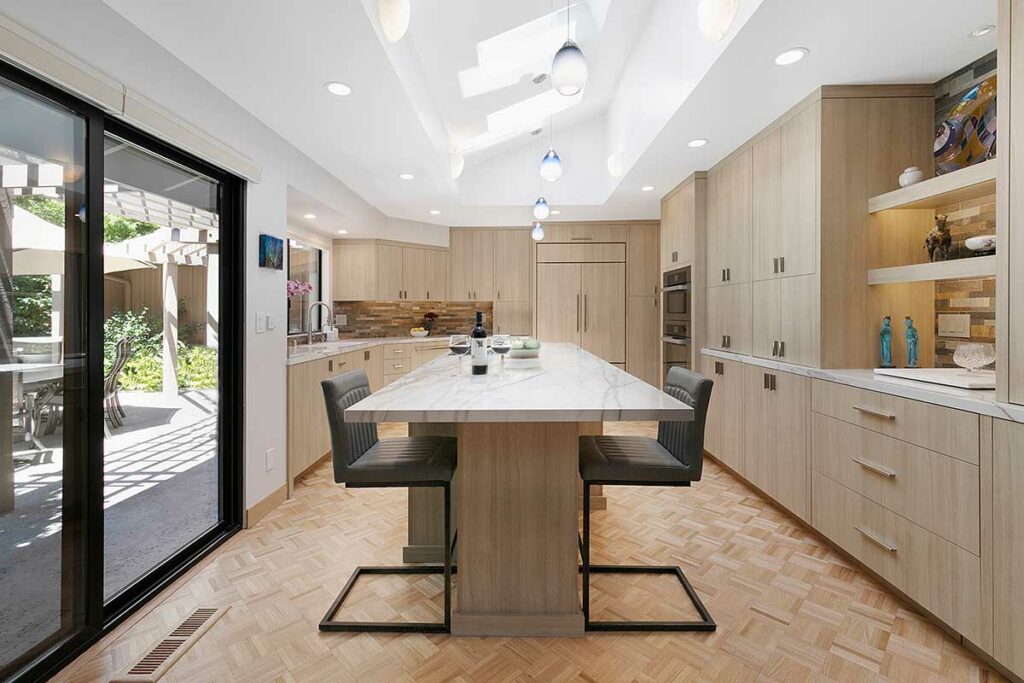
A fine example of opening the kitchen space can be found in this modern ranch house remodel we completed for a family, also in Lafayette. The kitchen was relocated and expanded, with a focus on supporting the couple’s desired indoor/outdoor lifestyle. A whole array of improvements, many of which we’ve covered in this article, were also included.
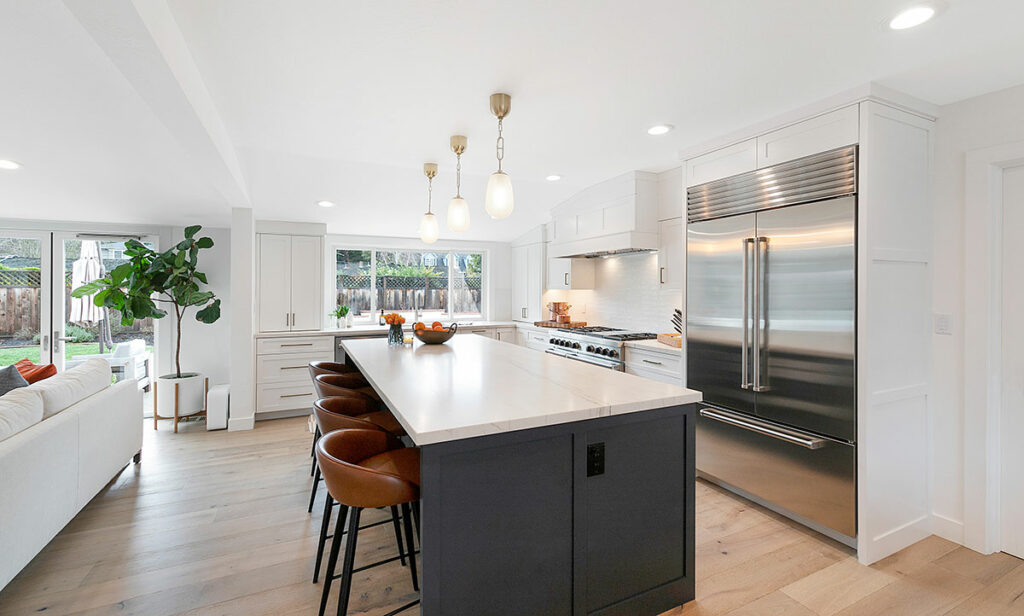
“A kitchen should feel like a place you want to stay, not escape from. Lighting, materials, and visual connections to adjacent spaces play a major role in that. When a kitchen feels dark or disconnected, it affects how people experience the entire home—especially during gatherings,” says Samia.
Why These Moments Matter
Holidays reveal problems that already exist, not least in the kitchen. With more cooking, cleaning, hosting, and foot traffic, certain patterns become clear. Bottlenecks and storage flaws show themselves more readily, while layout constraints lead to acute frustrations that might be bubbling under the surface at other times of the year.
A kitchen remodel after the holidays is a response to these issues becoming too much to bear. These problems, while frustrating, lead to valuable insights. The design phase of the design-build remodeling process examines these factors and explores how to adapt your kitchen to meet your preferences for hosting, cooking, entertaining, and daily living.
Why Design-Build Makes These Fixes Easier
The design-build approach to home remodeling brings architects, interior designers, and builders together from day one. This collaboration, which takes place under one roof, removes uncertainty and brings essential clarity to the entire process. Layout changes, appliance placement, storage solutions, and lighting plans are developed as a team, with budget and timelines in mind.
As a homeowner, your design-build team will keep you in the loop about what’s structurally possible, financially sensible, and practical over the long term before construction begins. With decisions aligned early, the kitchen remodel ensures a kitchen and home that’s perfectly suited to holiday hosting and entertaining.

“Design-build removes the guesswork. Our architects, designers, and builders collaborate from day one, so homeowners aren’t left wondering what’s possible, what’s practical, or what’s realistic for their budget. That collaboration is what turns post-holiday frustration into a well-planned, successful remodel”, says Chris.
Why Homeowners in Danville Trust Gayler Design Build
With 60+ years of experience (since 1961), an award-winning, fully integrated team, and a client-first approach that has earned 5-star client satisfaction, Gayler Design Build stands out as the best remodeling company in the Tri-Valley area. Our design-build approach ensures a seamless renovation experience and delivers exceptional results that exceed expectations.
Contact our team today if you’re ready to transform your kitchen or your entire home into the one of your dreams. We can do everything, from kitchen and bathroom remodels to home additions, exterior renovations, outdoor living spaces, and ADUs.
Let us help you bring harmony and beauty to the heart of your home.
Call Gayler Design Build at 925-820-0185 for a complimentary in-home design consultation. Or use our contact form to schedule your appointment.